
Why Texture Matters in Home Design
Texture is one of the most powerful, but also often overlooked, elements of home design, where textures refer to the visual and tactile surface quality of your materials. This includes cabinets, countertops, tile, flooring, and fixtures and accessories. They can range from smooth to rough, matte, glossy, soft, natural, and more.
Layering textures in your home’s design creates depth, warmth, and visual interest, even in neutral color palettes. They work particularly well at adding depth in neutral spaces without relying on accent colors.
Kitchen designs, bathroom remodels, and living spaces benefit especially from thoughtful texture combinations. In this blog, we will explore how to combine wood, stone, metal, and fabrics effectively to create balanced designs throughout your home that activate all the senses.

Why Layered Design Feels Richer and More Inviting
Flat, uniform spaces can feel sterile, cold, unfinished, or overly modern. You want your home to feel inviting, and textures are a great way to introduce warmth and comfort. They add dimension to your space without needing to introduce bold colors or patterns. This is particularly important in designs featuring neutral color palettes, such as modern or contemporary designs.
Layered textures add interest to your living spaces and also mimic the natural environment, where materials naturally vary in surface and tone. They also help guide the eye around the room, creating focal points and subtle contrast.

The Role of Contrast and Balance
Contrast is essential in creating a complete kitchen or bathroom design. Pairing different textures adds depth to your design, such as combining smooth with rough, matte with glossy, or soft with hard. When choosing textures, you must also create balance in your design to avoid giving your space an overly busy or chaotic feel. Examples of contrasting textures that work well together include:
- Smooth quartz countertops with textured, rustic wood cabinetry,
- Matte finish cabinetry paired with polished hardware, or
- A glossy tile backsplash against flat painted walls.
Create a cohesive design by repeating textures throughout the room, but avoid clustering a single texture in one area. With intentional placement of textures rather than random combinations, you will achieve a balanced and cohesive design.
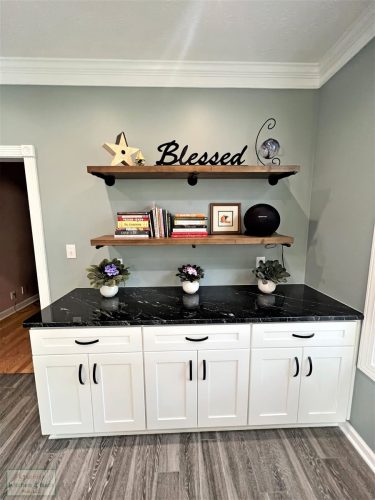
Natural Wood: Bringing Warmth and Organic Appeal
Wood features introduce warmth and softness to any home design, especially compared to synthetic materials. Wood works for nearly every design style, from modern to farmhouse, transitional, and traditional. Choose a wood variety, cabinet or shelf style, and color and finish to fit your design style.
Wood can be incorporated into a kitchen or bath design, or virtually any space in your home, in many ways. These include cabinetry, open shelving, ceiling beams, kitchen islands, bathroom vanities, butcher block countertops, freestanding furniture, flooring, and more.
You can even combine two wood tones in your design to create a truly unique look. When done carefully, mixing wood tones can add depth to your design. Lighter wood is ideal for creating an airy feel, while darker wood finishes create drama and richness in a design.
Wood works to balance cooler materials like metal, tile, and stone. It is also idea for biophilic design approaches, where you seek to bring natural influences into your indoor living spaces, serving to ground them in nature.
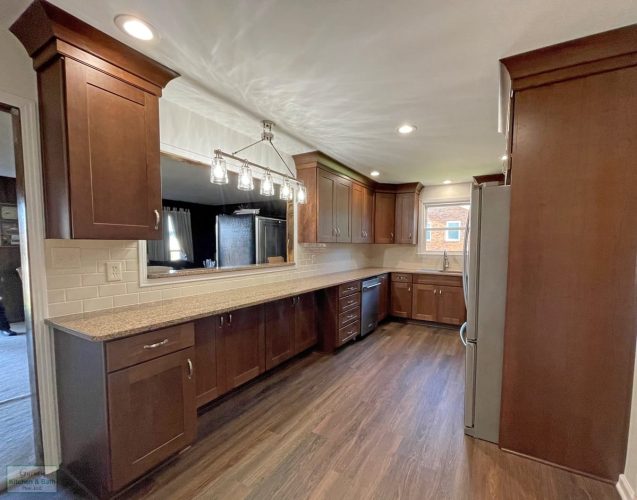
Stone Surfaces: Adding Visual Weight and Luxury
Using stone in home design provides immediate grounding and a feeling of permanence in your space. Common stone options for home interiors include quartz, granite, marble, and natural stone.
Stone surfaces also reflect light differently depending on the polish level, so consider the finish of your chosen stone and how it will work together with your room’s lighting design and natural light. Veining and natural variations inherent in the stone add built-in texture to your design.
There are many ways to include stone, such as countertops, backsplashes, fireplaces, shower walls, and accent walls. A waterfall edge countertop in stone takes your design to the next level, adding dramatic visual impact. Stone also pairs well with wood and metal to create balance in your design.
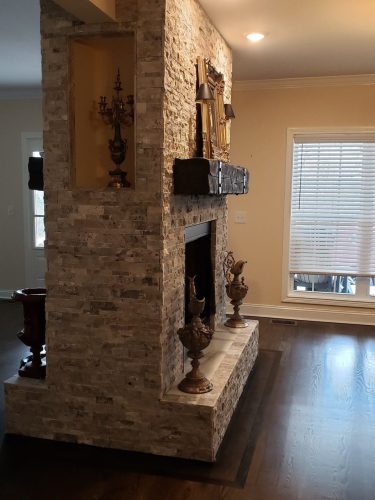
Metal Accents: Refinement and Subtle Shine
Metal introduces contrast, particularly against natural materials used in home design like wood and stone. It can also introduce an element of sophistication to your space with the tone and finish of your chosen fixtures and accessories. Even mixing metallic finishes can help to elevate your design when it is done intentionally.
Common finishes for metal accents include brushed nickel, polished chrome, matte black, and brass or gold tones. Each introduces a different accent to your room, adding contrast, brightness, or warmth and luxury, depending on the finish.
Metal fixtures and accessories can be applied to your design in a number of features, such as cabinet hardware, faucets, light fixtures, range hoods, and mirror frames. Whatever metal features you choose, make sure they enhance rather than overwhelm your design.
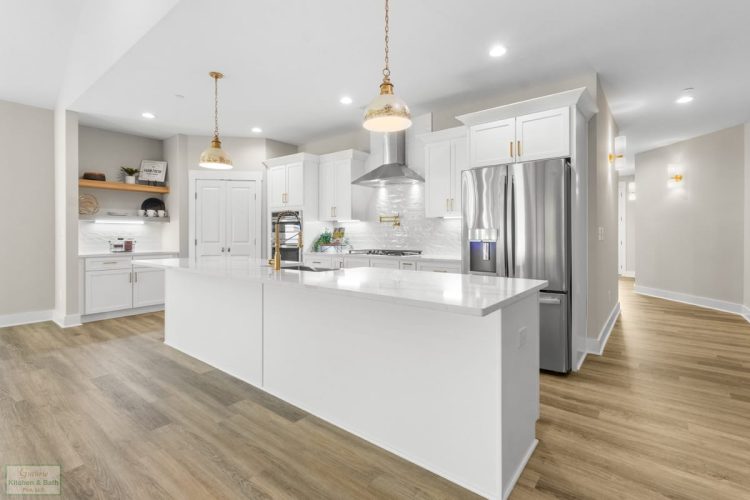
Fabrics and Soft Finishes: Comfort and Balance
Soft materials prevent your rooms from feeling hard and cold, by introducing warmth and comfort to your spaces. This is essential in living spaces, but also useful to introduce in kitchens and bathrooms, helping to humanize these highly functional spaces. Fabrics also provide opportunities to introduce subtle patterns and pops of color to your space.
Examples of textiles in home design include upholstered seating, window treatments, rugs and runners, towels and linens, and cushions and throws. Fabrics help improve acoustics, as they serve to absorb sound. This can easily be observed when you think about a room with wood or tile floors vs one with carpeting or an area rug.

Layering Textures in Kitchen Design
Kitchen designs naturally combine many material types, which all offer an opportunity to introduce different textures in your space. Some of the main materials in a kitchen design include:
- Cabinetry provides a primary foundation for your room’s textures.
- Countertops introduce visual weight and contrast to the cabinetry.
- Backsplashes add vertical texture and a visual focal point.
- Hardware and fixtures provide small but impactful details that coordinate with and contrast surrounding features like cabinets, sinks, countertops, and more.
- Flooring covers a large space in any room, and contributes major tactile and visual texture to your design.
Some examples include painted cabinets paired with a wood island and quartz countertops, a slab backsplash with brushed metal hardware, and smooth cabinetry with a textured tile backsplash. Thoughtfully incorporate lighting into your design, to enhance textures through highlights and shadows.

Layering Textures in Bathroom Designs
Bathroom designs offer many opportunities to define your space through textures, from tile surfaces to wood vanities, and more.
- Stone or tile showers create strong visual texture and can add tactile interest, particularly in a pebble tile shower floor, for example.
- Wood vanities add warmth to your space and can soften surrounding tile surfaces.
- Matte fixtures create subtle contrast.
- Towels and bath mats add softness to an otherwise hard space.
- Textured tile floors improve safety in a bathroom and also add a visual and tactile dimension to your space.
Functional needs tend to take priority when planning a bathroom remodel, but textures provide a chance to elevate your bathroom design. They create a more sophisticated style, introduce spa-style elements, and work with all the senses to improve your experience when getting ready.

Layering Textures in Living Areas
Living space must feel warm and welcoming, creating space for family to gather, socialize, and relax. Your textures help create this atmosphere and make your living rooms more comfortable and inviting.
- Upholstery, rugs, and curtains provide softness, which is especially important in living spaces.
- Wood furniture adds warmth to a living room, while stone fireplaces add a grounded feel.
- Metal light fixtures and accessories create refinement and sophistication in a living space.
- Stone fireplace surrounds create a natural focal point.
Layering textures is key in these rooms, and particularly prevents large rooms from feeling cold or empty.

Common Texture Mistakes to Avoid
Careful planning and thoughtful use of textures lets you incorporate them in a way that enhances your room’s design and elevates daily living. When planning your design, be careful to avoid key mistakes in incorporating textures to ensure your design is a success, including:
- Using too many similar surfaces, creating a flat look.
- Overusing one material, such as all white glossy finishes.
- Ignoring warmth by overusing metal, glass, or stone, leaving your space feeling cold.
- Adding too many competing textures, which creates visual clutter.
- Forgetting to balance between bold and subtle textures.
- Not taking lighting into account, which affects how textures appear.
- Choosing trendy textures without considering their long-term appeal.
How a Professional Designer Achieves the Right Balance
Working with a professional kitchen or bathroom designer will help you create a plan for your remodel that incorporates textures thoughtfully to enhance your space. Designers plan texture combinations as part of the design process to make sure your selections are intentional.
They work with you to review material samples together, not individually, so you can view firsthand how your textures combine to create a cohesive style.
Designers take time to create harmony between your cabinets, countertops, flooring, and fixtures to make sure every element of your design works well together. They also consider how materials will age over time and ensure the finished space reflects your lifestyle.
Create a Home with Depth and Character
Textures are an essential part of any home design. They let you enhance your design by thinking beyond color and focusing on texture variations in your key surfaces. Layering textures adds another dimension to your design, bringing richness, warmth, and sophistication to your space. Even simple material combinations can transform a home design.
By working with a professional designer, you will get expert guidance to create cohesive, timeless spaces with carefully chosen textures that impact your home and lifestyle. Are you ready to start planning your kitchen or bathroom remodel? Our team can help you create designs to enhance spaces throughout your home, with materials that balance texture, color, and durability.