
Why Homeowners Are Craving a Connection to Nature
In today’s fast-paced world, many homeowners are seeking something their homes may have been missing: a stronger connection to nature.
As daily schedules become busier, screen time continues to increase, and remote work keeps more people indoors for longer periods, there is a growing awareness of how our surroundings affect our mood, comfort, and overall well-being. Homeowners are looking for spaces that help them unwind, recharge, and feel more connected to the natural world.
One of the most effective ways to create that sense of balance is by incorporating natural elements into the home. Features such as abundant natural light, organic materials, greenery, and nature-inspired colors can transform ordinary spaces into environments that feel warm, welcoming, and timeless.
These design choices not only enhance a home’s appearance but also contribute to a more enjoyable and comfortable living experience.
Today’s homeowners are increasingly focused on creating homes that support their lifestyles rather than simply following the latest design trends. They want spaces that function beautifully, promote wellness, and provide lasting value for their families.
This shift in priorities has fueled the popularity of biophilic design—a design philosophy centered on strengthening the connection between people and nature.
Whether through a kitchen remodel, bathroom renovation, or whole-home transformation, biophilic design offers countless opportunities to bring the beauty and benefits of the outdoors into everyday living.
What Biophilic Design Really Means
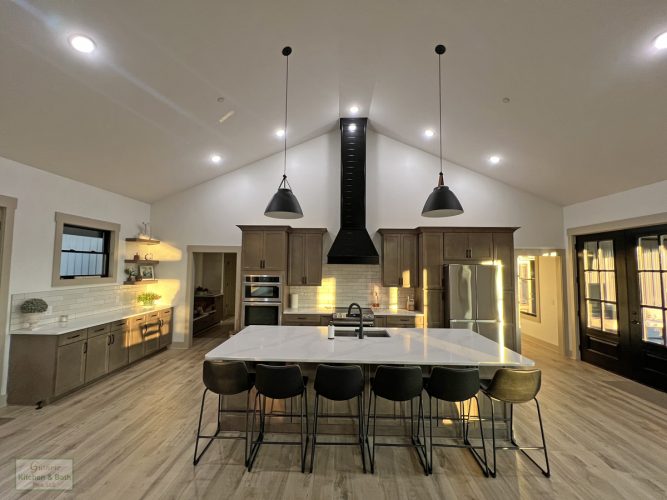
Biophilic design is the practice of strengthening the connection between people and nature through thoughtful design and is at the heart of introducing natural elements and wellness features into home design. This design approach is much more than simply adding plants to a room. Key principles of biophilic design include:
- Access to natural light,
- Views of outdoor landscapes,
- Natural materials and textures,
- Organic shapes and patterns, and
- Indoor-outdoor connections.
Biophilic design works especially well in kitchens, bathroom designs, living spaces, and home additions where it can benefit your daily life. These principles can be incorporated into both traditional homes and newer properties.

Maximizing Natural Light with Windows and Doors
Natural light is one of the most impactful elements in a home design. Benefits of increasing daylight in your home include:
- Making your rooms feel larger,
- Enhancing your mood and productivity,
- Improving your home’s energy efficiency, and
- Highlighting architectural features and finishes.
When remodeling, you can strive to maximize natural light by adding larger windows, sliding glass doors, French doors, transom windows, picture windows, and even skylights where appropriate. Open-concept layouts are a popular choice for a busy home and can help light travel throughout the home.

Natural Materials: Wood, Stone, and Organic Textures
Authentic, natural materials enhance a home’s design, improving both style and functionality. They bring natural beauty and textures that improve your experience of your space, as well as durable and long-lasting surfaces that extend the lifespan of your remodel.
From wood to stone to natural textiles, there are many ways to incorporate natural materials into your kitchen design, bathroom remodel, or other living spaces.
Some of the top ways to incorporate wood include cabinetry, ceiling beams, floating shelves, hardwood flooring, and accent walls. Stone can but included in your home’s design with countertops, fireplace surrounds, bathroom features, and backsplashes.
Other applications for natural materials include organic textures that create warmth and depth such as woven materials, textured tile, linen fabrics, and handmade ceramics.
Take your design to the next level by mixing materials to add depth to your design. This creates a layered and sophisticated style and improves your experience of your space. Natural surfaces like wood and stone also make your space feel more connected to the outdoor environment and help you feel grounded in your home.
Incorporating Plants into Kitchens and Living Spaces
While introducing natural elements into your home is not limited to plants, they are one of the easiest ways to bring nature indoors. They can fit easily into any room in your home, from kitchens to bathrooms, living rooms, bedrooms, and more. Plants introduce color, improve air quality, and serve as a natural style accessory.
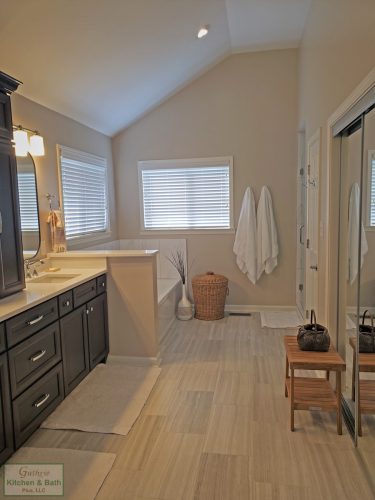
In your kitchen, consider including herb gardens near windows, small potted plants on open shelving, or greenery incorporated into coffee stations or beverage areas. Living rooms benefit from statement floor plants, grouping plants together in a pleasing arrangement, or built-in shelving to display plants. In a bathroom design go for humidity-loving plants and spa-inspired greenery.
When choosing plants for your space, make sure you pick varieties that fit your space and lifestyle. Go for low-maintenance plants if you don’t have a lot of time to commit to your plants. Make sure you create balance in arranging your room’s plants, as they should complement the design rather than overwhelm it.
Nature-Inspired Color Palettes
Color plays a major role in designing any space in your home and is key in creating a connection to nature. Go for nature-inspired colors, such as warm whites, soft beige and sand tones, sage green, olive green, muted blues, earthy browns, or charcoal accents. These colors create a sense of comfort, introducing a warm and welcoming environment to your home.
Incorporate color into your home with cabinetry, tile, wall paint, furniture, and decorative accents. Choosing colors that embrace nature bring a sense of calm to your living spaces and help you to feel more grounded in your home. This is why many homeowners are moving away from overly stark interiors in favor of warmer, more organic palettes.

Health and Wellness Benefits of Nature-Inspired Design
The choices you make for your home design directly impact your experience of your space and your daily well-being. By introducing biophilic design features, you create an environment that reduces stress, improves your mood, enhances relaxation, increases comfort, and lets you be more connected to your surroundings.
This creates spaces that are more focused on wellness with feature like spa-inspired bathrooms, bright kitchens designed for gathering, and comfortable family rooms with outdoor views.
Where Biophilic Design Works Best in the Home
Biophilic design benefits your home in many ways. It can fit rooms throughout your home and works best when integrated into the overall design plan rather than added as an afterthought. Here are some of the key rooms where you can incorporate nature into your design.
- Kitchen: include natural materials, plenty of daylight and views to outdoor spaces through large windows, and organic finishes.
- Bathroom: give your space a spa-like atmosphere, include natural materials like natural stone and wood accents, and incorporate plants and natural light.
- Living Rooms: create indoor-outdoor connections with larger windows and natural textures.
- Home Offices: increased daylight to benefit from natural light during your workday, include nature-inspired colors that help to improve productivity.
- Whole-Home Remodeling Projects: go for opportunities to create a cohesive natural design throughout multiple spaces when remodeling more than one room.

Frequently Asked Questions About Nature-Inspired Home Design
What is biophilic design in home remodeling?
Biophilic design is an approach to home design that strengthens the connection between people and nature through elements such as natural light, organic materials, plants, outdoor views, and nature-inspired colors.
How can I bring nature into my home without a major renovation?
Simple updates such as adding houseplants, choosing natural materials, incorporating earthy colors, maximizing daylight, and using organic textures can create a stronger connection to nature without a full remodel. However, a full remodel is the ideal time to introduce biophilic design rather than adding it as an afterthought.
What are the best rooms for biophilic design?
Kitchens, bathrooms, living rooms, and home offices often benefit the most because these are spaces where homeowners spend significant amounts of time each day.
Does biophilic design increase home value?
Many features associated with biophilic design—such as larger windows, quality natural materials, energy-efficient upgrades, and thoughtfully designed living spaces—can enhance both appeal and long-term value.
What natural materials work best in kitchens and bathrooms?
Popular options include wood cabinetry, natural stone countertops, porcelain tile that mimics stone or wood, textured finishes, and durable materials that provide both beauty and functionality.
Bring the Outdoors into Your Home
Biophilic design offers more than just visual appeal—it helps create homes that feel more comfortable, healthy, and inviting for the people who live in them. By incorporating natural light, organic materials, greenery, and other nature-inspired elements, homeowners can transform their spaces into environments that promote relaxation, support well-being, and foster a stronger connection to the outdoors.
The most successful nature-inspired designs are those that strike a balance between beauty and functionality. Thoughtful design choices should not only reflect the natural world but also support the way a family lives, works, entertains, and relaxes every day.
Whether it’s maximizing daylight in a kitchen, incorporating warm wood tones throughout a living space, or creating a spa-like bathroom retreat, these features work together to enhance both the look and feel of a home.
As you consider future remodeling projects, think about how your own home could better connect with nature. Even small changes can make a meaningful impact, while a comprehensive renovation provides the opportunity to create a cohesive design that feels both timeless and deeply personal.
If you’re planning a kitchen remodel, bathroom renovation, or whole-home transformation Guthrie Kitchen & Bath Plus can help. Our experienced team works closely with homeowners to design personalized spaces that blend beauty, functionality, and natural inspiration. Contact Guthrie today to explore how thoughtful, nature-inspired design can bring greater comfort, wellness, and enjoyment to every room in your home.